

Rocket Lab is acquiring long-time satellite communications provider Iridium for $8 billion in a move that combines satellite launch and operations capabilities under one umbrella, a move that could better position that combination in the rapidly evolving satellite communications space.
The deal is a cash and stock transaction that values Iridium at around that $8 billion mark. U.S.-based Rocket Lab has secured a $3.6 billion term loan from Deutsche Bank and Wells Fargo to help fund the deal, which is expected to close in mid-2027.
Rocket Lab provides launch services, spacecraft, payloads, and satellite components serving commercial, government, and national security markets. It claims its Electron rocket “is the world’s most frequently launched orbital small rocket” and that its components “have enabled more than 1,700 missions spanning commercial, defense and national security missions including GPS, constellations, and exploration missions to the Moon, Mars, and Venus.”
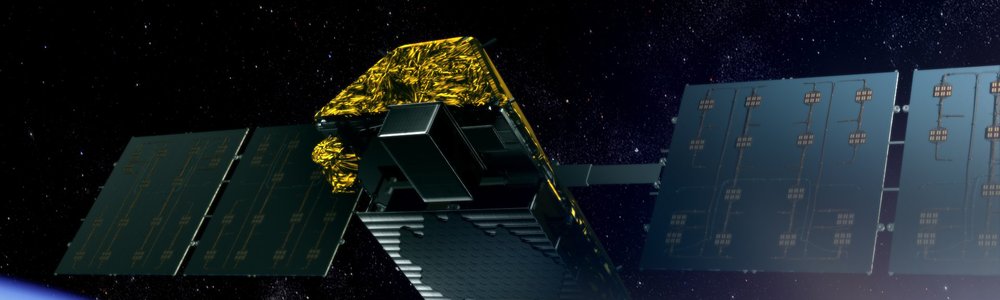
Iridium controls a constellation of more than 65 satellites split into six different “planes” in north-to-south orbit, as well as nine in-orbit “spare” satellites to take position in the event of any failed primary satellite. The constellation uses satellite-specific L-band spectrum, which in combination with those satellites effectively means complete global coverage and a more recent focus on supporting IoT, direct-to-device (D2D), and safety services.
Rocket Lab noted the combination will “create a competitive, vertically integrated space company that designs, builds, launches, and operates its own constellations, delivering critical communications capability to millions of users worldwide.”
“Iridium has built the gold standard in secure, safety critical global satellite connectivity. It is relied upon by maritime fleets, the aviation industry, governments, and heavy industrial organizations who operate in the most remote off-the-grid locations,” Rocket Lab CEO Peter Beck noted in a statement on the deal. “By marrying Iridium's deep heritage, trusted infrastructure, and highly sought-after spectrum with Rocket Lab's extensive and proven launch and manufacturing capabilities, we have the capability to unlock entirely new markets. We will go far beyond maintaining a legacy; we are going to build upon it to pioneer next-generation space applications and deliver sought-after capabilities to existing and new customers."
Satellite competition expanding
This combination enters a market that has witnessed a dramatic increase in interest over the past year.
Most directly, this includes bold plans from market heavyweight SpaceX, which also controls both the launch and operational systems; and Amazon’s Jeff Bezos’ plans around the Blue Origin launch and Leo satellite service, plans that also gained momentum from its pending $11.6 billion acquisition of satellite constellation operator Globalastar.
There are also a handful of service-based satellite providers aiming for attention, including AST SpaceMobile’s recent satellite launches and ability to absorb spectrum in support of D2D services, and work by U.S.-based telecom operators in pooling spectrum resources to help support new market entrants.
The Rocket Lab deal also marks a significant inflection point for Iridium, which has been a player in the satellite communications space for more than 30 years with a more recent focus on the IoT space. Iridium CEO Matt Desch told SDxCentral earlier this year that the company’s specific focus allowed it to avoid the growing noise of “billionaires and meme stocks” emanating from the satellite communications space.
“There's this narrative that we’ll be crushed by the mega-constellations coming, and I think 2026 will be the year we proved that wrong,” Desch said at that time. “We’ll show that we have our own narrative, and it's an exciting narrative, it's differentiated, it's resilient, it's valuable, and really will be more growth.”



Comments