

AST SpaceMobile gained a significant concession from the Federal Communications Commission (FCC) allowing the nascent direct-to-device (D2D) satellite-based service provider to deploy and operate services using cellular spectrum from operator partners AT&T and Verizon.
The FCC’s Space Bureau granted AST SpaceMobile a permanent license to operate the company’s satellite system, allowing AST to “immediately … deploy its constellation of 248 satellites throughout the United States with D2D offerings.” The authorization specifically allows “supplemental coverage from space” in low-band frequencies between 700 MHz and 900 MHz, and allow AST SpaceMobile to offer D2D services outside of the U.S.
The low-band frequencies align with agreements AST SpaceMobile has with AT&T and Verizon to lease spectrum in the 850 MHz band in support of satellite-based D2D services. Both operators have touted their arrangements as ways to augment their traditional terrestrial coverage.
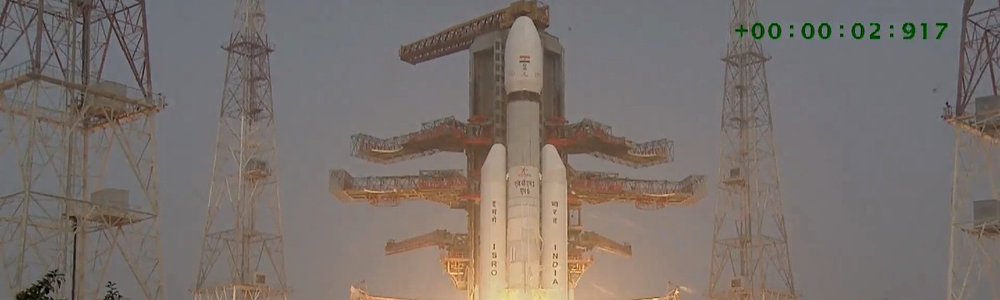
AST SpaceMobile, for its part, has been busy constructing its low-Earth orbit (LEO) constellation. This includes the launch late last year of its BlueBird 6 satellite that spans nearly 2,400 square feet, which is three-times larger than AST SpaceMobile’s previous BlueBird models and is claimed to be “the largest commercial communications array ever deployed in low-Earth orbit.”
That satellite is designed to use traditional cellular spectrum that allows it to support already released cellular devices. AST SpaceMobile has said that those contributed spectrum assets when combined with its own L-band holdings can provide network speeds of up to 120 Mb/s.
“Today marks an important step as we continue scaling our network and moving closer to commercial service,” AST SpaceMobile CEO Abel Avellan noted in a statement on the recent FCC decision.
FCC touts space advances
The FCC touted the AST SpaceMobile decision as part of the agency’s larger push toward accelerating the deployment of space-based communication services. This included dismissing requests from a handful of satellite service-linked entities looking to access certain mobile satellite service (MSS) spectrum license assigned for use with the U.S. in locations outside of the U.S. and a request from SpaceX and Iridium to change MSS licensing band plans.
“Our decision today serves the public interest in two ways,” the FCC ruling notes. “In the short term, we give companies the clarity they need to deploy direct-to-device services intensively and invest in MSS spectrum confidently. In the longer term, today’s decision will pave the way for future reforms we intend to pursue to supercharge direct-to-device technology for the good of Americans.”
The FCC also touted recent decisions to help facilitate increased use of spectrum resources to support satellite-based services. This included recently approved transactions valued at more than $28 billion to transfer at least 130-megahertz of spectrum to support D2D services, with a chunk of that amount tied to the FCC’s facilitation of EchoStar’s sale of spectrum licenses to SpaceX.



Comments