


The European leg of Nvidia’s roadshow stopped off in Paris in 2025. Some 12 months later, it’s safe to say the company’s decision to jump across the border to Berlin paid off from a safety perspective.
Germany’s capital city is one of the continent’s most fascinating cities. Scars of conflict, be they armed or simply espionage, still dot the landscape. Quite a spacious city; it never quite feels overwhelming. Instead, abundant street art marks historical buildings and gargantuan metal behemoths alike.
It was the first time Nvidia held its continental GTC in the city, with a cavernous former train station transformed into a two-day cacophony of conversation about AI and infrastructure.
Enough fancy descriptors; here’s everything you need to know from GTC Berlin.
1) Credit where credit’s due
If you thought sovereignty would be the inevitable top-tier topic, then you would be right. But arguably the most striking talking point in Berlin was credit: Cash, dosh, wonga.
Microsoft’s Nscale U-turn earlier this month and CoreWeave’s crisis of confidence emerging this week were the ghosts at the feast, with multiple company leaders telling SDxCental they were grimly monitoring the unfolding market situation.
Vast Data co-founder Jeff Denworth told this title that the topic of credit was what he was talking about most during the show – even going so far as to say sovereignty was lower down the talking point ladder than the expectation for AI to be “wildly disruptive” over the next couple of years, and confidential computing.
“Credit is just becoming a thing,” Denworth said. “Like our supply chain partners that we work with, they're completely max[ed] from a credit perspective just because we're driving so much business through them, and frankly I don't know what next year is going to look like because if it continues at this rate then it's bigger than them, is the problem.”
The Vast Data co-founder was one of several senior executives on-site who expressed concerns about rising interest rates and the impact on efforts like GPU financing.
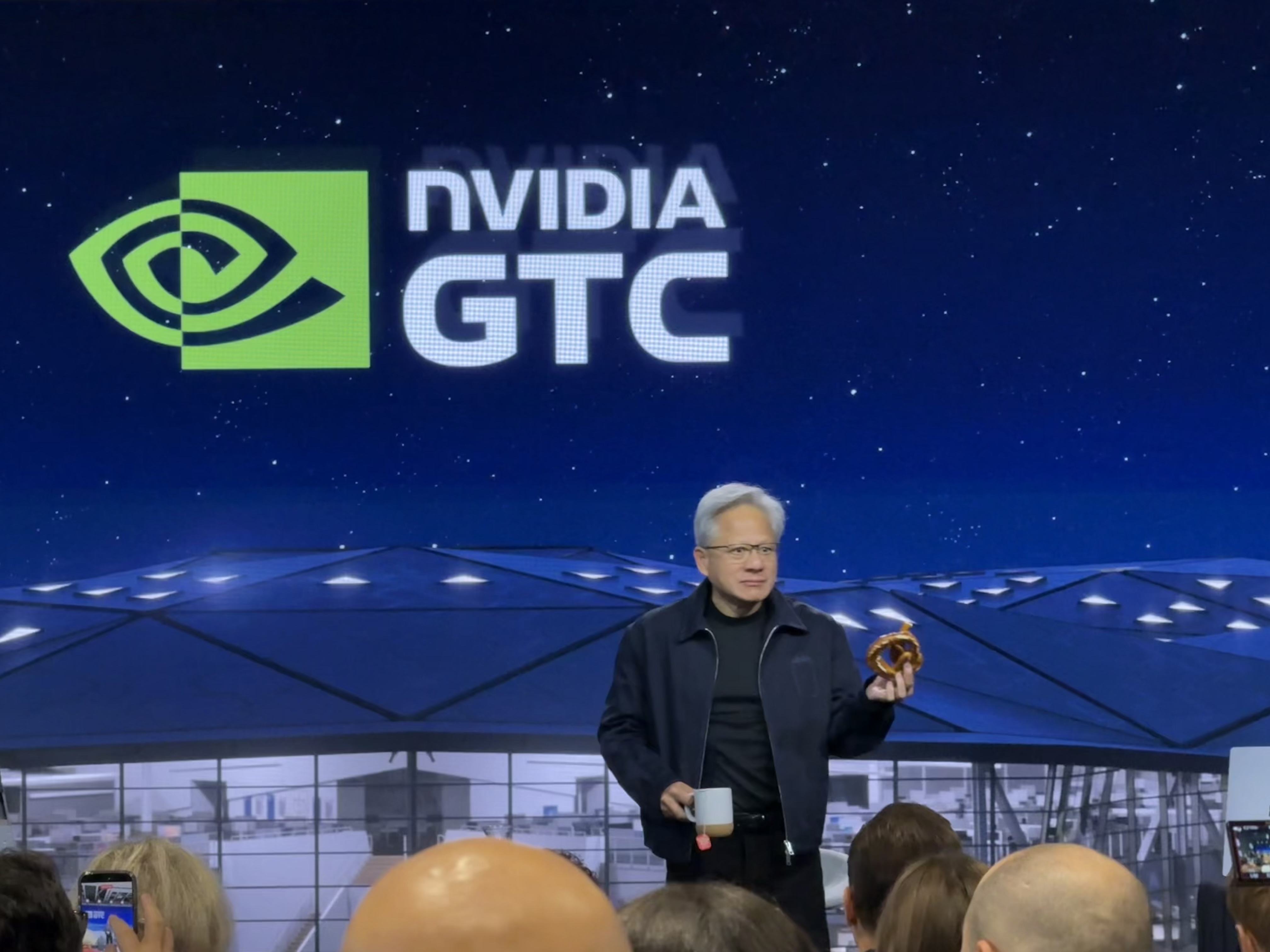
Nvidia CEO Jensen Huang talked about the demand for capital during a press conference when asked about financial headwinds for some neoclouds. He countered that capital demand was high because demand for AI is as high, saying: “At the core of this is demand. This is different. It's not a structural issue. Aside from that, demand is incredibly high. We always love when demand is high. Everything else will get solved when demand is high.
“You can't solve the absence of demand, but when demand is high, everything else will get taken care of," Huang continued. "And so I am quite confident that they will find solutions. And their solution starts with the fact that they have excellent customers, demand is really high, and they just need working capital. And working capital will come.”
2) Sovereign immunity & continental confidence building
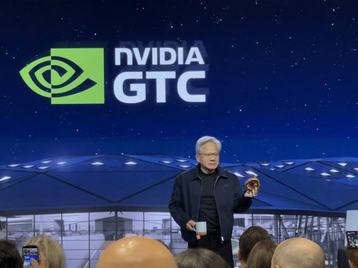
The immovable object of conversation at any European AI conference, the idea of sovereignty and AI infrastructure was an inevitable top talking point.
Throughout the show, announcements from Nvidia with continental companies as well as just wider companies attending, were focused around the s-word. Pitches about so-called sovereign AI factories and sovereign infrastructure were unescapable.
But aside from using the marketing trend as a positioning tool, Nvidia itself sought to angle the Euro conversation into more of a confidence builder. Throughout a one-and-a-half-hour press conference, Huang handled repeated questions about safety, energy, and AI productivity with answers intended to leave the European press corps with a confident, forward-looking case for Europe’s role in AI.
Huang described European startups in this space as “scouts” for the broader economy and the need for stronger venture capital, while also directly pushing back on job-loss concerns, saying: “Tell Europe AI creates jobs.”
Beyond reassurance, the Nvidia CEO’s message from GTC Berlin was one of reframing criticism on everything from safety and energy to regulation and jobs. Huang argued that these were problems that could be addressed through engineering, investment, and action, while urging “responsible optimism.”
“That should be our standard for just adults. Children. They can do whatever they want, but adults, responsible optimism," Huang said. "For what reason do we create a future that's not optimistic? What are we here to do? Listen, we don't need people like that. We need people to invent a future that's optimistic, but we have to do it responsibly.”

That very same line of trying to build continental confidence was the whole schtick of GTC Berlin, culminating in another cringe-inducing AI video to close out Huang's keynote … this time it being Eurovision-themed.
For all the sovereignty marketing spiel throughout the past year or so, Nvidia’s messaging in Berlin sprinkled that throughout while also trying to put an arm around the shoulder of a continent so concerned about AI it could turn into inaction.
3) Giving carriers a proper ring
Nvidia has dominated the AI infrastructure space. GTC Berlin saw it try to solidify its foothold in another area: telecom. Having invested a cool $1 billion in Nokia around this time last year, Nvidia has sprinkled telecom-related tidbits throughout the past few months.
GTC Berlin, though, saw its telecom play shift up a gear. Its own dedicated announcement saw Nvidia parade the fact that some 10 telecom operators in Europe, the Middle East, and Africa (EMEA) had signed on to use its accelerated computing hardware.
During his keynote, Huang proclaimed AI would “revolutionize the way we do telecommunications.”
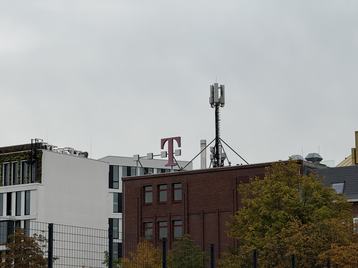
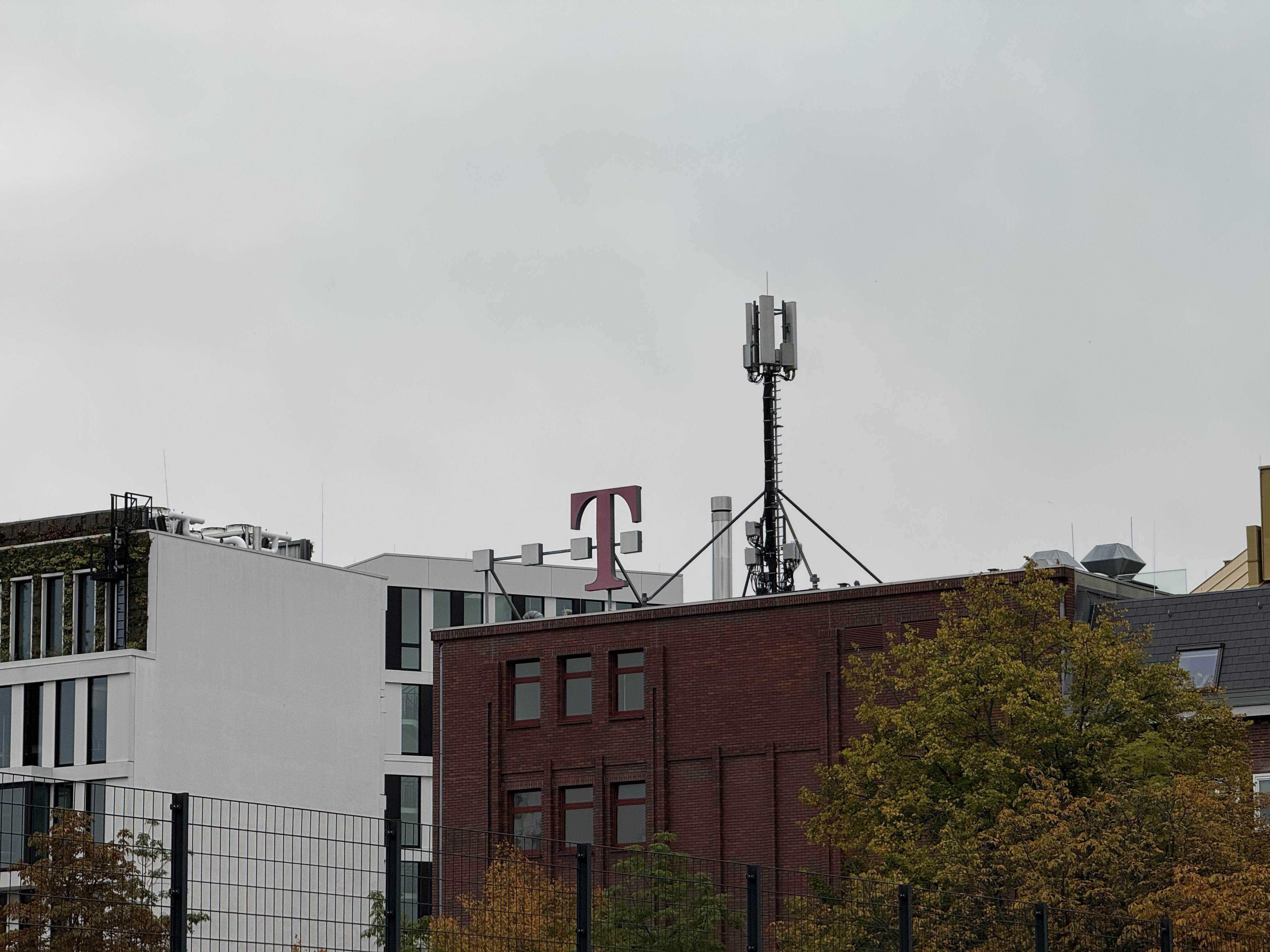
“We're going to bring to the telecommunications network an enormous step up in spectrum efficiency. But beyond that, we're also going to revolutionize all of these cell towers. There's 100,000 sites around the world, around the Western world, about 100 gigawatts of distributed data centers that will, in the future, become a distributed AI infrastructure,” the CEO said.
Most of the telecom talk, though, was about using AI to boost spectral efficiency akin to a certain Van Morrison song. There is a far wider ecosystem of metrics beyond that, like network throughput, area traffic capacity, and peak data rates.
In a sense, then, it’s reminiscent of when GPUs for AI first started to gain traction. Everything was performance this, FLOPs that. Nvidia is trying to get the carriers on-side with the easiest metric to understand: faster = better.
Ronnie Vasishta, who leads Nvidia’s telecom vertical, was a little more nuanced. He told SDxCentral that the company’s role isn’t to persuade carriers with a general claim but to show tangible benefits that make the investment worthwhile.
Vasishta argued that the case for GPU-accelerated radio access networks should ultimately rest on a wider set of operational and business outcomes, like performance per watt, throughput within the existing power envelope, lower total cost of ownership, and software-defined features to potentially create new revenue streams.
4) Sparks fly at the edge
Arguably the most underestimated part of this GTC was the updates to edge and local AI hardware. Telecom carriers creating GPU-accelerated, distributed AI compute networks is one thing, but connecting desktop AI computers was something else entirely.

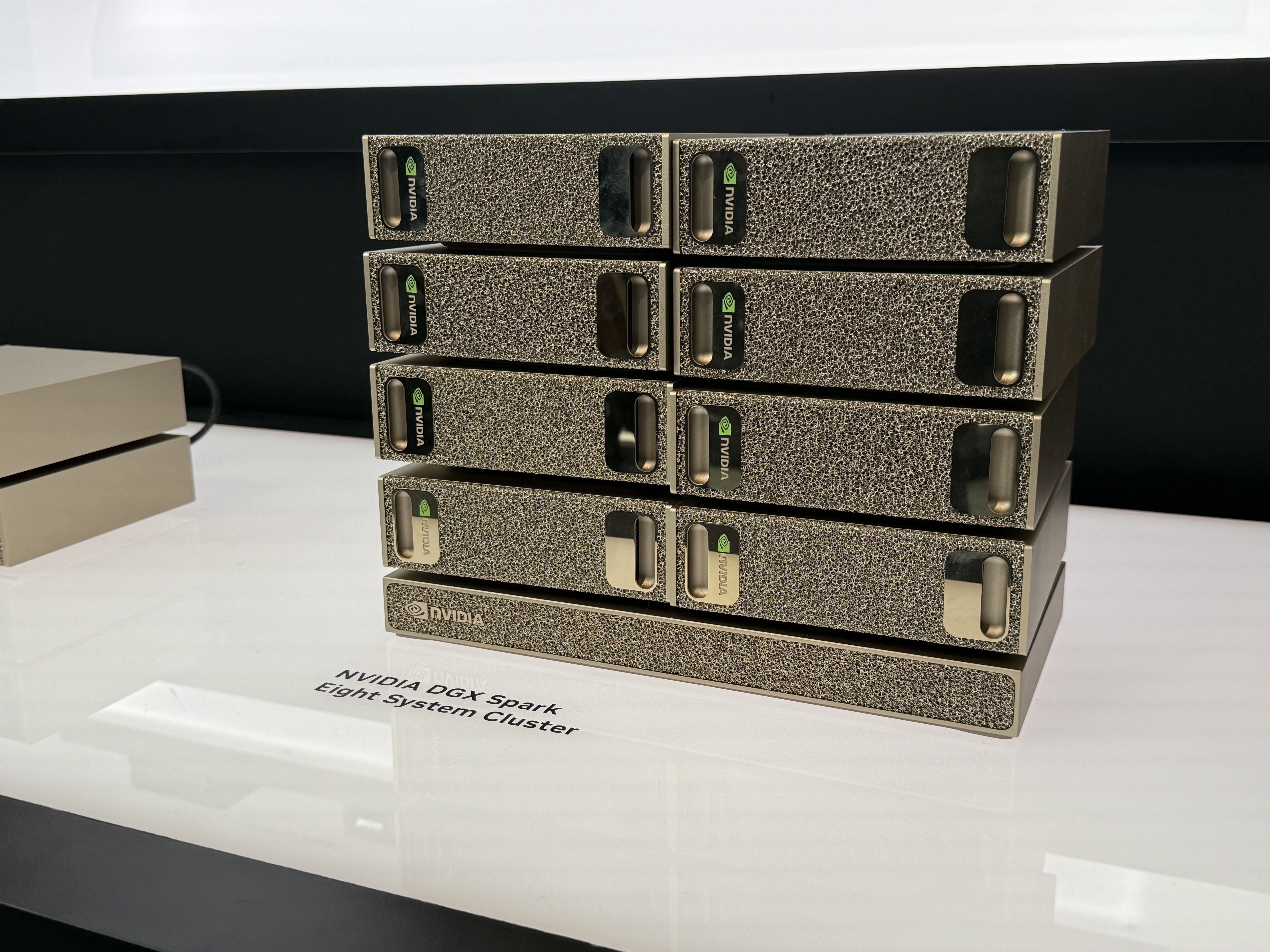
Against the wall at the far end of the furthest hall was the mammoth Nvidia stand, and nonchalantly displayed in it was something networking nerds can geek out about. SDxCentral spotted what turned out to be a prototype network switch capable of interconnecting multiple DGX Sparks, Nvidia’s near $4,000 Blackwell-based desktop supercomputer.
A configuration of eight Sparks was on display, and from a bit of probing we found out that it’s built on the ConnectX-7 silicon architecture and can support connections of 400 Gb/s (400G) on a single plane.
Now, again, before Nvidia lawyers up, it’s a prototype; there is no official Nvidia product at the time of writing. Multiple staff who spoke to this title, though, said attendees were abuzz about the idea of connecting multiple of these golden boxes for local AI clusters.
But the idea of taking the learnings of its AI factory efforts and distilling that down to devices you can run on your own home network? It’s hard not to get excited … until you remember eight Sparks would set you back around a little over $30,000 … and that’s not even factoring in the potential cost of any switch should it come to fruition.
While there weren’t any concrete announcements on this in Berlin, Nvidia’s networking chief Gilad Shainer teased that there are “things that are happening there.” Watch this space.





Comments