

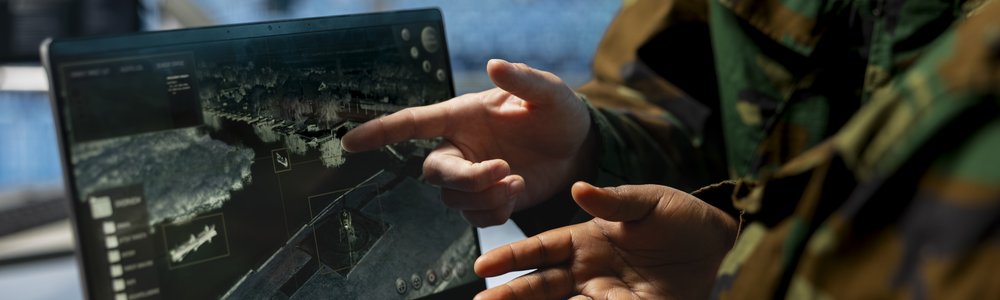
U.S. defense agencies want firms developing so-called "frontier" level AI, like OpenAI and Anthropic, to make their models available on networks that lack typical user restrictions.
A Reuters report suggests Pentagon CTO Emil Michael called on executives to supply access to models via classified networks so they can be used by U.S. military officials.
An unnamed official told the platform that the Pentagon was deploying frontier AI “across all classification levels.”
The Department of Defense (DoD) has already made Google's Gemini and xAI's Grok available department-wide, while a top U.S. general openly admitted that he was using ChatGPT to make military and personal decisions.
But latest efforts to use the technology see U.S. military officials want access without guardrails in place to improve decision-making, though the report did not provide specifics as to how the Pentagon planned to use AI systems in such a way.
With classified networks, all information is stored and processed securely, with immensely strict access controls in place. Any such data used is physically and logically isolated from the public internet, unlike unclassified networks, which largely handle non-sensitive data with fewer security restrictions in place.
OpenAI provided access to ChatGPT via an unclassified network this week, with the AI firm agreeing to allow access to general user restrictions, while keeping some guardrails in place. Anthropic’s AI offerings are available in classified settings; however, users in such environments are still subject to its usage policies.
“We are pushing all of our chips in on artificial intelligence as a fighting force,” Secretary of Defense Pete Hegseth said last December. “The department is tapping into America's commercial genius, and we're embedding generative AI into our daily battle rhythm.”






Comments