

BERLIN – NetApp is gearing up to provide control at the data layer for sovereignty-minded neoclouds, penning a “strategic collaboration” with Luxembourg-based Emma Technologies.
The team-up will see the multicloud platform make use of NetApp’s storage stack, including its OnTap software for both file and object storage across its multitenant environments.
SDxCentral pressed the vendor Tto clarify what the “strategic collaboration” entails and whether NetApp’s deal with Emma represented just a new logo, a paying customer, or a channel opportunity.
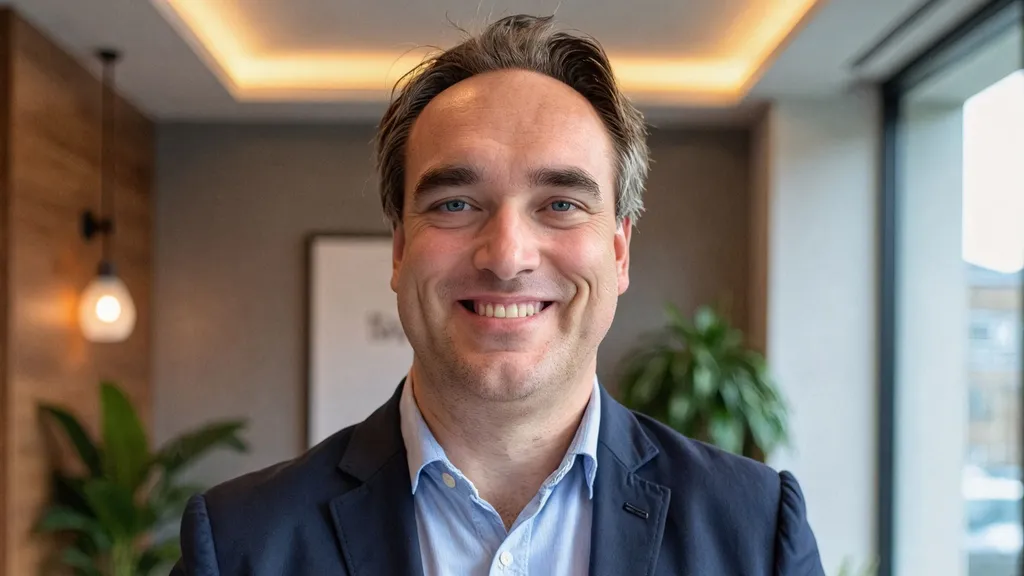
“Yes, to all three of them,” Jurgen Hofkens, NetApp’s CTO and VP for solutions engineering in EMEA and LATAM, said in a sit-down at GTC Berlin last week.
“The way we go to market with neoclouds is relatively straightforward,” Hofkens explained. “We say, we have a great product on its own; you probably should use it. These are the reasons, but 40, 50, sometimes 60% of enterprise unstructured data, depending on the market, already sits on the NetApp system, so what we can offer is a secure and cost-effective way [to] extend their data that they have [on-premises] with us and make it available to the GPUs they rent.”

The EMEA CTO argued that through partnerships like the one with Emma allow enterprises to be “dynamically sovereign,” contending that operational sovereignty only allows for competitiveness for so long. Instead, the NetApp leader said partnerships like its Emma collaboration give organizations the means to adapt their stack without getting locked into a provider or architecture that no longer meets their needs, allowing customers to make existing data available to Emma’s rented GPUs without having to copy it.
“A project might be sovereign today, but by six months from now you might need a different model or you might need different accelerators. You might need to be able to scale because you're successful … in six months from now, the partner you're doing this with may not be able to deliver you the stuff you need to,” Hofkens explained.
A big consideration around inherent sovereignty is the fact that NetApp and many others at the event last week were hawking the concept, despite being U.S. companies. Hofkens outlined that in terms of its partnership with Emma and others, customers have “100% of the control” when it comes to their data.
“It’s different if you look at cloud versus actually buying software,” he said. “When they buy software, it's 100% theirs. It's 100% under their control. We can't stop them even using it, even if they stop using the license or we stop distributing the license; they will be able to continue to use the software.”
Hofkens said the lack of NetApp access to user data goes as far as customers accidentally deleting data and asking the vendor to recreate it, adding: “The whole point of our security parameter is we can't access it. So yes, we can't help you. It would be very strange if we could because it would not be sovereign.”
NetApp’s work with Emma looks set to be an example of how it plans to work with other emerging infrastructure providers, with Hofkens stating that others could potentially follow.
But the EMEA CTO distinguished neoclouds into two tiers: those that build capacity for very large off-takers and those that serve enterprise customers. Despite placing Emma in the latter camp, Hofkens noted that such deployments can still be substantial and that NetApp’s approach is around helping reach enterprise customers as another source of demand.
“The neclouds I'm talking to, you can call them tier-two, but in reality they're really big. … They're interested when you say sovereign. They're also interested in making sure that European enterprises benefit from the investments and not just people that are very hungry for getting data centers; that's true with Emma, for example,” the exec said.
“A big part of [Emma’s] customers are larger enterprises that just European enterprises that just need a sovereign solution, and also my larger customers on the enterprise side, that's exactly what they want. … We see that there is a very nice synergy between them," Hofkens added.



Comments