

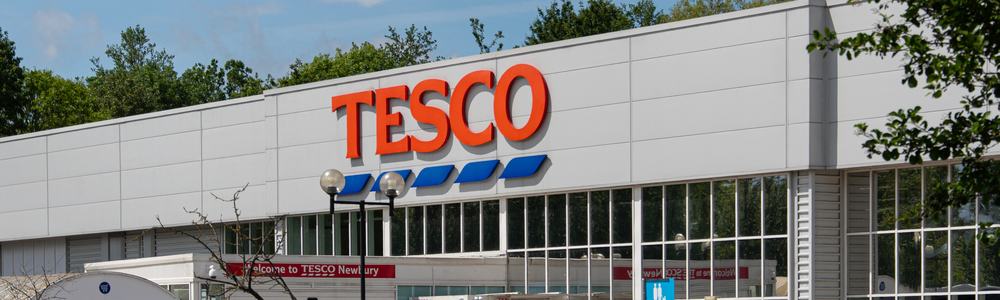
Tesco is continuing its acrimonious breakup with VMware, with the British supermarket giant moving some tens of thousands of servers away from the Broadcom-owned brand following changes to its perpetual license support.
The firm was one of a handful of users to publicly call out VMware, filing a breach of contract lawsuit in late 2025. Tesco contended Broadcom failed to honor perpetual licenses it bought in 2021 for vSphere Foundation, Cloud Foundation, and Tanzu. It also uses Broadcom’s mainframe software.
While that dispute rumbles on, Ars Technica reports Tesco is racing to get off VMware, with some 40,000 servers set to be migrated away “at exceptional pace.”
No official word has been given as to where the retailer is moving its infrastructure to, though Tesco believes the process will be completed by the end of 2027. It represents one of the largest migrations away from VMware following the industry tension over Broadcom's post-acquisition licensing modifications.
Tesco’s lawsuit sought some $130 million (£100 million) in damages, with Dell also named as a defendant, having acted as a distributor for the software that fellow defendant Computacenter supplied to the supermarket firm.

VMware Cloud Foundation gains custom upgrade roadmaps
Different environments may require specific upgrade sequences
The retailer’s original agreement saw it secure perpetual license support through to January 2026, with an option for renewal until 2030. But upon Broadcom taking over VMware and its subsequent licensing overhaul, Tesco alleged that the agreement was not being honored, with it unable to access software and services covered by its 2021 deal.
According to Tesco’s latest filings in its legal fight, spotted by The Register, the supermarket giant said Broadcom's “abusive conduct” has meant it has been “forced to incur material costs to procure alternative solutions with reduced functionality.” The firm adds that given the criticality of the virtualization and mainframe software and services to its business and the speed of its proposed migration, “creates very significant risks to its business.”
Those filings reveal Broadcom put some four offers on the table for Tesco, covering terms for both mainframe software and VMware products. However, it alleges issues with timeframes – with one offer being laid out some 19 days before its existing agreements ended – to “manifestly unfair and excessive” cost increases saw it reject the proposals.
The retail giant estimates that one particular proposal, which included a year of VMware Cloud Foundation (VCF) 9.0 along with mainframe software and associated support, would have cost $23.5 million. This represents a 175% increase over its 2021 software agreement and a 350% jump for its mainframe services.
As its standoff with Tesco continues, Broadcom has faced several salvos of late, most notably from the Cloud Infrastructure Service Providers in Europe (CISPE). The body is taking action against the vendor in Europe, contending the bloc failed to address market dominance concerns before the VMware takeover. Only last month did CISPE borrow South Park imagery to lampoon Broadcom while claiming it was using calculated delaying tactics to stall the antitrust investigation.
Other cases don’t show signs of slowing, however, as British supermarket giant Tesco doesn’t look to be backing down in its breach of contract suit over changes to perpetual VMware license support.
Similar to Tesco, industrial conglomerate Siemens has also taken action against Broadcom over changes to its license. Siemens had tried to get the case moved to Germany, a move the software vendor tried and, per a Delaware court ruling in February, partially prevented.
AT&T was also among those to take on VMware, branding Broadcom a “bully” trying to force the carrier into “paying a king’s ransom for subscriptions [it] does not want or need.” The telecom giant settled the dispute a month later, however.
For all the legal wrangling, though, Broadcom CEO Hock Tan proudly proclaimed that more than 90% of VMware’s 10,000 largest customers have signed up for the vendor’s VCF platform.
VMware has quickly become a major revenue generator for its parent, contributing to a 9% year-on-year revenue increase to $7.2 billion according to its most recent earnings. While customer consternation persists, Broadcom saw annual recurring revenue increasing 17% year-on-year, with Tan telling investors deployments of its recently released VMware Cloud Foundation 9.1 were “extremely strong.”




Comments