

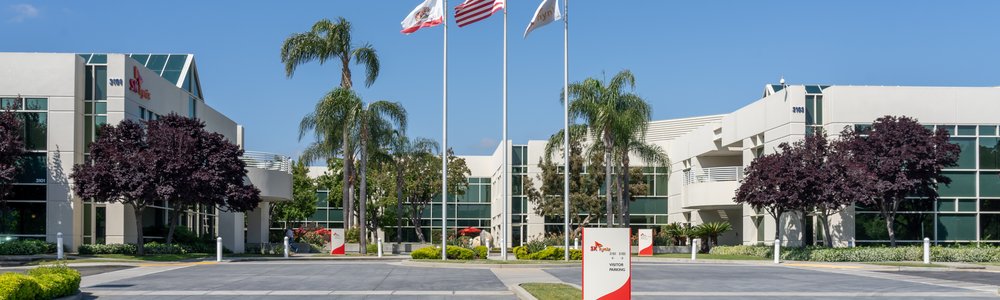
Korean memory giant SK Hynix is set to ride the inferencing wave alongside Nvidia, with the pair reportedly developing a next-generation solid-state drive (SSD) specifically designed for AI.
Chosun Biz reported comments from SK Hynix VP Kim Cheon-seong that the Seoul-headquartered firm is developing a new SSD with 10 times the performance of existing offerings.
Under a project dubbed AI-NP (AI Nand Performance) by Hynix, and Storage Next by Nvidia, the firms are promising an SSD release in 2027 capable of 100 million IOPS (input/output operations per second) 100 million.
That would dwarf current leader NN4ME 2-TB, an SSD model from Japan’s Nextorage, which touts a random performance of 50,915 IOPS.
Hynix is also working with SanDisk on a new high-bandwidth flash (HBF) standard. Due to launch in alpha in late January, the solution stacks multiple NAND structures, echoing the high bandwidth memory (HBM) setup of layered dynamic random access memory (DRAM) dies.
Both solutions are positioned to tackle the memory capacity needed for AI inferencing, in which AI models reason and output the answers we see with apps like ChatGPT today.
Korea leads the AI wave?
Historically, SK Hynix’s earlier work on HBM products was largely developed in-house. The reported partnerships show the Korean firm more open to collaboration in the AI era, while perhaps bolstering its ongoing relationship with Nvidia.
That partnership may have seen a slight dip last week when Nvidia’s Rubin line of GPUs faced potential impact as Hynix reportedly shifts the ramp-up of its HBM4 chip later than originally planned, spurring the chip giant to allegedly rely on Samsung to get its next-gen chips into production.
Both Samsung and SK Hynix are enjoying a mini-boom as memory becomes a hot commodity to meet AI inference and training demands. The former is tipped to reclaim its status as the world’s leading DRAM provider from the latter, as Samsung stands to gain from reported price hikes of its DRAM wares by 60%.
SK Hynix, meanwhile, is reportedly looking to establish a low-power wafer factory for memory chip production. The firm this week was claimed to have forecast memory supply chain issues until 2028, while estimating server shares to increase to 53% by 2030, a 38% jump from where they currently stand.
According to reports, Hynix believes the PC market will take the biggest loss, with PC DRAM production increase expected to fall short of demand through the next three years due to the memory supply bottleneck.
Consumers, who have already faced bad news with Micron recently closing its consumer division, may now have some good news as Samsung has denied reports it is to halt production of its SATA SSD line. Speaking with Wccftech, a representative from Samsung Electronics confirmed the rumor regarding the phasing out of Samsung SATA or other SSDs to be false.
In response to a recent query from SDxCentral on whether Samsung would be raising its memory prices, this publication was directed to Samsung’s most recent earnings report.





Comments