

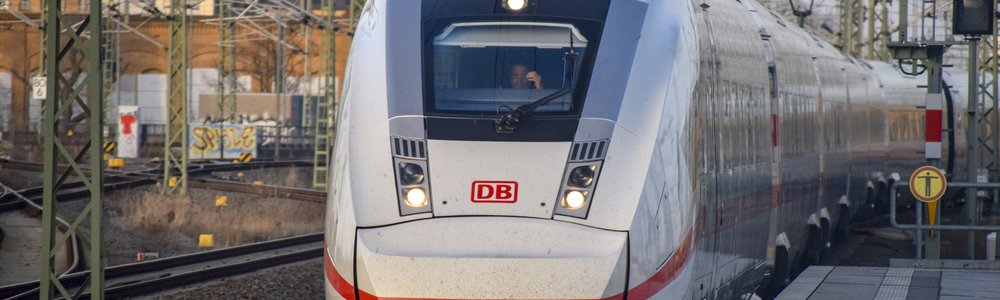
Nokia has partnered with Deutsche Bahn (DB) to deploy a 1900 MHz (n101) 5G radio network solution with a 5G standalone (SA) core on live railway test tracks.
The deployment marks a milestone as the railway industry looks to transition from legacy GSM-R systems to the 5G-based Future Railway Mobile Communication System (FRMCS) standard – which promises higher reliability and low latency for mission-critical rail communications while supporting full railway automation.
Nokia's 5G radio network equipment underwent testing on live trains at the German railway firm's digital railway test field in the Ore Mountains in Germany. The solution incorporates built-in failover mechanisms, self-healing capabilities, and real-time monitoring to ensure high availability and operational efficiency.
“This deployment on test tracks builds on a successful pre-FRMCS 5G trial conducted with Nokia and aims to standardize our private mobile network as a foundation for further pilots and future rollout,” Rainer Fachinger, head of telecom platforms at Deutsche Bahn’s railway infrastructure management subsidiary DB InfraGO, explained.
The 1900 MHz frequency band is specifically dedicated to 5G railway communications across Europe. Nokia and DB’s use of the spectrum is part of the European FP2-MORANE-2 project, which aims to advance rail digitalization initiatives across the continent.
Nokia's solution extends Deutsche Bahn's ongoing trials with the vendor's 5G SA core and 3700 MHz (n78) radio network, while upgrading to include new 1900 MHz equipment from Nokia's AirScale portfolio. The tech is designed to enable automated train operations, smart maintenance systems, and intelligent infrastructure management.
“We are proud to deliver the first-ever commercial 5G solution that utilizes the 1900 MHz spectrum band on the rail track,” Rolf Werner, head of Europe at Nokia, added. “This launch will serve as an important benchmark for FRMCS upgrades in rail networks around the world in the coming years.”


Comments