


Nordic digital infrastructure provider GlobalConnect has kick-started plans to triple internet capacity across the region.
The project will see GlobalConnect lay high-capacity fiber cables across some 776 miles to connect key regional cities such as Stockholm, Oslo, and Helsinki.
“Much of the digital infrastructure in the Nordics is more than 20 years old and is running out of capacity,” Pär Jansson, GlobalConnect Carrier’s SVP, explained. “We are now future-proofing it to keep pace with accelerating demand – primarily driven by the rapid growth of data centers and AI hot spots across the region.”
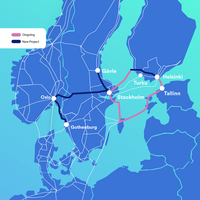
The Nordics are already a hot spot for data centers, with operators benefiting from free cooling via naturally cold air and access to a plethora of hydroelectric power.
But amid the AI boom and subsequent data center demand, the region is set to see explosive growth for digital infrastructure. Estimates published back in 2024 by the Norwegian Data Center Industry group suggest regional capacity will increase by up to 580 MW annually.
Among those eying the Nordics are Meta, which already has three facilities in Sweden, but has been reportedly scoping out sites in Northern Finland. Google was also scouting Finland, though the search giant’s plans look to have been put on ice amid potential electricity tax rises. And Nscale, the Nokia-aided neocloud at the heart of the European leg of OpenAI’s Stargate project, operates several sites in Norway.
GlobalConnect’s endeavor looks to lay the foundation to support regional data center expansions. The project started in late 2025 and will continue through 2027, representing a total investment of around $46 million.
In addition to land-based efforts, the firm is also working on subsea projects, including the Nordic Wave cable. The first phase of the subsea project stretches from Stockholm to Luleå in Sweden and was completed last March, providing some 27 Tb/s of capacity.
The Nordic subsea project is expected to conclude in mid-2026, with the second phase extending connectivity between Luleå and Narvik in Norway, and a third phase set to link Sundsvall, Sweden to Trondheim, Norway.
“By tripling network capacity and adding several new subsea cables, we are strengthening regional redundancy and resilience for decades to come,” Jansson added.




Comments