

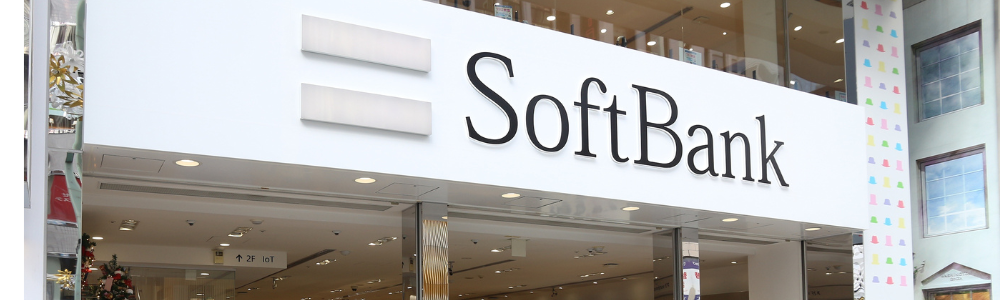
Japan-based telecom giant SoftBank picked Ericsson and Nokia as 5G vendors in a deal that also appears to exclude Chinese-based vendors Huawei and ZTE.
The move away from the two Chinese vendors comes as little surprise even though both had participated in earlier 5G trials. That’s because Japan’s Ministry of Internal Affairs and Communications recently imposed a condition that effectively bans Huawei and ZTE from the country’s 5G networks.
Japan’s four carriers – NTT DoCoMo, KDDI, SoftBank, and Rakuten – all agreed to the stipulation, although the requirement will be more difficult for SoftBank because it is in the process of replacing Huawei equipment used in its 4G LTE network. NTT DoCoMo, which is Japan’s largest wireless operator, also conducted numerous 5G trials with Huawei but eventually inked a deal with Nokia for 5G equipment.
Ericsson said it will supply SoftBank with radio access network (RAN) equipment for mid- and high-frequency 5G bands. It has also been contracted to “reinforce” the carrier’s existing 4G LTE network, which perhaps relates to the stripping out of existing Huawei equipment.
The Sweden-based vendor, which boasted 18 publicly announced 5G contracts including six live 5G networks ahead of the SoftBank win, said the deployment of the multi-band 5G network follows a series of joint proof-of-concept (PoC) activities that began in 2015.
Nokia was selected as a primary SoftBank partner for 5G RAN equipment, and will deploy its 5G AirScale product that supports multiple frequencies. The Finnish vendor added that it now has 38 5G commercial contracts, including 20 with named customers.
Japan’s 5G moves
Japan’s four carriers have all committed to build nationwide 5G networks by 2022, with initial services slated to go live beginning next year. According to the Nikkei news agency, the carriers are set to invest a combined $14.4 billion in their networks during the next five years. SoftBank specifically was noted as planning to invest around $1.84 billion, which is less than its established rivals NTT DoCoMo and KDDI.
Those three incumbents are set to face a considerable challenge from Rakuten, whose entrance into the mobile services market could dramatically change the landscape. Rakuten plans to launch a cloud-based 4G LTE service later this year that will tap into NTT DoCoMo’s assets, followed by an evolution to 5G in 2020.
U.S. 5G impact
SoftBank is also waiting to offload its U.S.-based Sprint business through a sale to T-Mobile US. That $26.5 billion deal remains somewhat in limbo due to regulatory approval concerns.
SoftBank acquired a majority ownership stake in Sprint in 2013, and Sprint has mostly lagged behind its rival ever since. Sprint executives told regulators the company would face “serious challenges” if the takeover by T-Mobile US were blocked.
Both T-Mobile US and Sprint have said that they will not use Huawei or ZTE as part of their 5G network plans.


Comments