

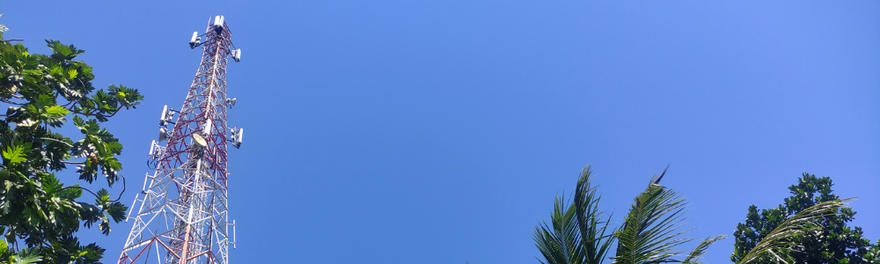
Indonesian telco Indosat Ooredoo Hutchison has paired with network vendor Nokia to reduce the amount of energy its radio access network (RAN) uses.
To support this, Indosat has deployed Nokia Energy Efficiency.
Nokia Energy Efficiency uses AI and machine learning (ML) algorithms to analyze real-time traffic patterns, allowing for Indosat to adjust or shut idle and unused radio equipment automatically during low network demand periods.
By doing this, Nokia notes that Indosat will be able to reduce energy costs and its carbon footprint.
According to the vendor, Nokia Energy Efficiency uses intelligent thermal management to cut network cooling energy needs.
It can be rolled out in a matter of weeks, adds the vendor.
“As data consumption continues to grow, so does our responsibility to manage resources wisely. This collaboration reflects Indosat’s unwavering commitment to environmental stewardship and sustainable innovation, using AI to not only optimize performance, but also reduce emissions and energy use across our network,” said Desmond Cheung, director and chief technology officer at Indosat Ooredoo Hutchison.
Indosat and Nokia have previously partnered on a pilot project to demo AI's role in reducing energy consumption in live network conditions.
After the pilot, Nokia deployed its energy efficiency product to the entire Nokia RAN footprint in Sumatra, Kalimantan, Central, and East Java.
Nokia has previously supported telcos in other markets to deliver energy savings, including Globe Telecom in the Philippines and Kenya's Safaricom.



Comments