

Google offered a glimpse into its efforts to build a multi-architecture cloud platform as it makes strides to migrate away from solely x86-based offerings.
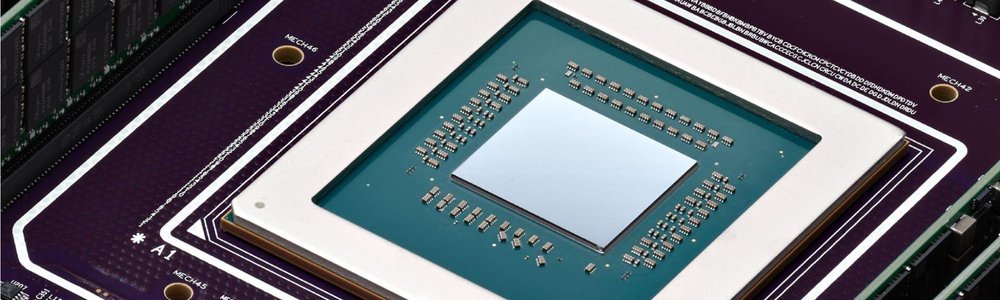
The cloud giant is currently midway through deploying its own custom CPU line, dubbed Axion. Debuted last April, the hardware is based on Arm architecture, with the hyperscaler claiming at the time its hardware offered up to 50% better performance compared to current-generation x86-based chips.
While Arm-based Axions are already powering C4A virtual machines (VMs), Google Cloud still wants to honor the legacy of x86, with plans to offer a multi-architecture service that would support Arm and x86 architectures.
In a blog post published earlier this week, Google engineers Parthasarathy Ranganathan and Wolff Dobson revealed that more than 30,000 applications have already been migrated to cover Arm and x86 simultaneously, including YouTube, Gmail, and its BigQuery data and AI platform.
According to the pair, Google engineers initially sought to use typical software approaches as part of the migration, but that took considerable time – especially when it came time to handle high-traffic services.
Instead, a series of Google’s own automation tools were used, chief among them was CogniPort, a new agentic AI-based tool which can reportedly build and test errors.
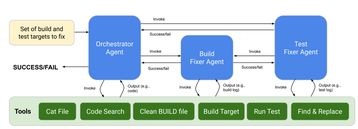

“If at any point in the process, an Arm library, binary, or test does not build or a test fails with an error, the agent steps in and aims to fix the problem automatically,” the engineers explained. “As a first step, we have already used CogniPort's Blueprint editing mode to generate migration commits that do not lend themselves to simple changes.”
Despite not instilling any specific prompt, the engineers allege early CogniPort tests saw it fix ailed tests 30% of the time. Not a large number, but one the Google engineers suggest was encouraging, with plans to further optimize it as the migration progresses.
The blog post suggested Google’s team still have “tens of thousands more applications” to address as part of its Arm migration.
“We will continue to use CogniPort to fix tests and configurations, and we will also work with application owners on trickier changes,” Ranganathan and Dobson wrote.
More in The Cloud & Storage Channel
-

-

-

Episode Is data AI’s biggest bottleneck?
Comments